High-Achieving RESET Study Visit at the University of Freiburg Strengthens Research Management Capacity for Green Growth in Lao PDR
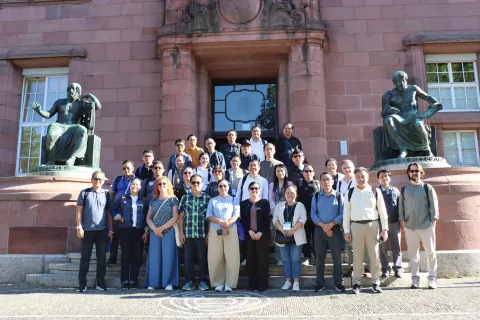
Freiburg, Germany – 31 July 2026
The RESET consortium has successfully concluded its second international Study Visit, hosted by the University of Freiburg. This marks a major milestone in the implementation of the Erasmus+ Capacity Building project, RESET (Redefining Research Management Structures and Research Career Development to Accelerate Green Growth in Lao PDR).
Coordinated by Champasack University (CU) and co-funded by the Erasmus+ Programme of the European Union, RESET aims to strengthen research management systems and career development framework across Lao higher education institutions. By fostering institutional capacity, promoting international cooperation, and supporting evidence-based research, the project contributes to building a more innovative, sustainable, and resilient higher education ecosystem aligned with Lao PDR's green growth agenda.
The five-day Study Visit brought together representatives from all consortium partners, including senior university leaders, research managers, and officials from the Ministry of Education and Sports of Lao PDR (MoES). The event provided a dynamic platform for peer learning, knowledge exchange, and strategic discussions on adapting proven European research management models to the Lao context.The RESET consortium comprises:
- Champasack University (CU) – Project Coordinator
- National University of Laos (NUOL)
- Souphanouvong University (SU)
- Savannakhet University (SKU)
- University of Health Sciences (UHS)
- Ministry of Education and Sports (MoES)
- University of Alicante (UA), Spain
- Albert-Ludwigs-Universität Freiburg (ALU), Germany
- CESIE ETS, Italy
The programme opened with institutional welcome remarks by Dr. Roderich von Detten from the Chair of Forestry Economics and Forest Planning at the University of Freiburg. His remarks highlighted the strategic role of international cooperation, robust research support structures, and talent development in strengthening universities' capacity to address global challenges through research and innovation.
Throughout the first day, participants explored key components of the University of Freiburg’s research ecosystem. Sessions covered Freiburg’s role as a research hub and model for green transformation, strategies on "How to Increase Institutional R&I Capacities: Tips and Tricks for the Horizon Europe Programme" delivered by Rita Quisillo (CESIE), and insights on "Building and Maintaining Networks for Energy Transition between Academia and Industry" by the Centre for Renewable Energy (ZEE)—which featured demonstrations on Agrivoltaics and Airborne Wind Energy. These exchanges offered practical strategies for how comprehensive support structures can enhance research excellence and career development throughout the project lifecycle.
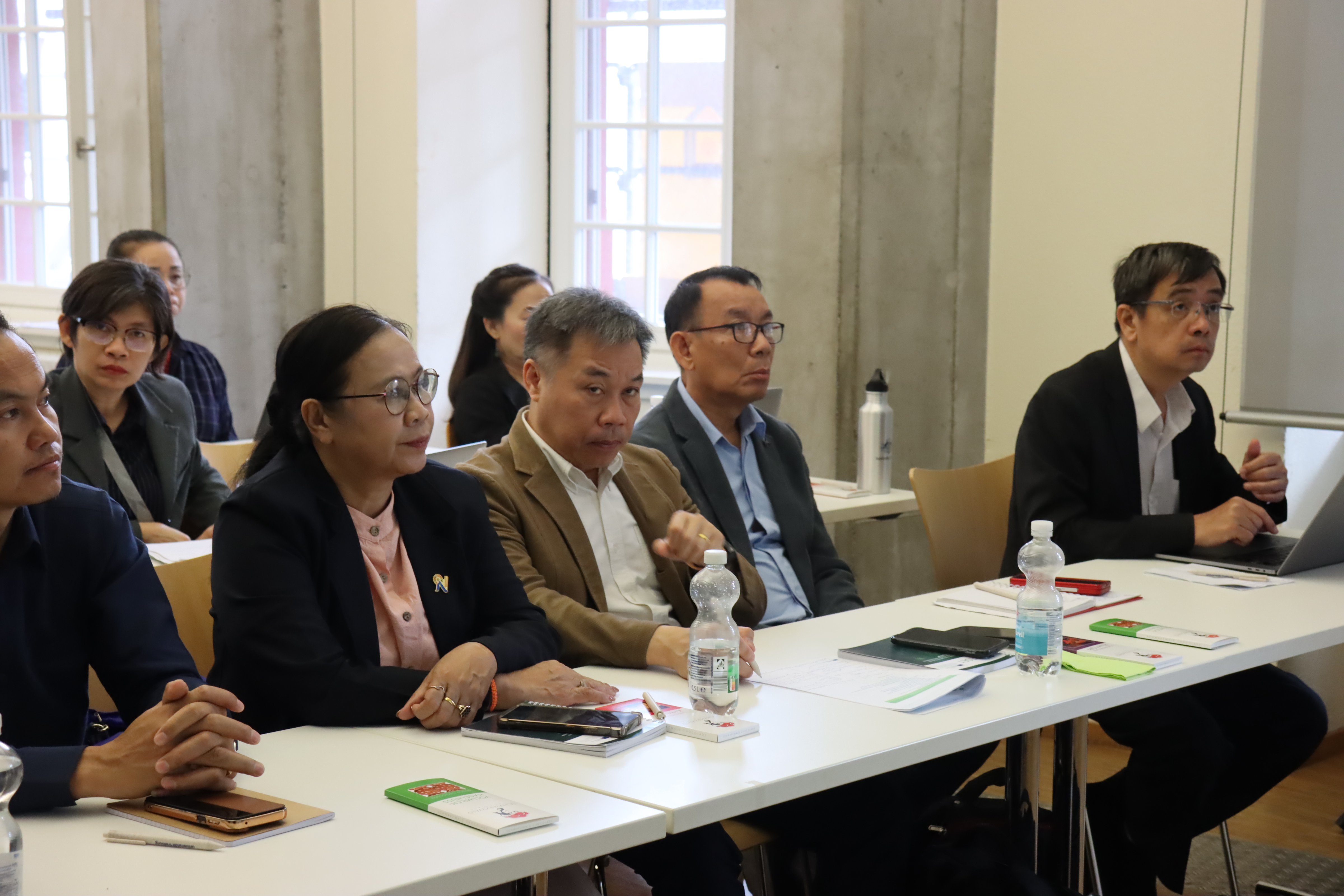
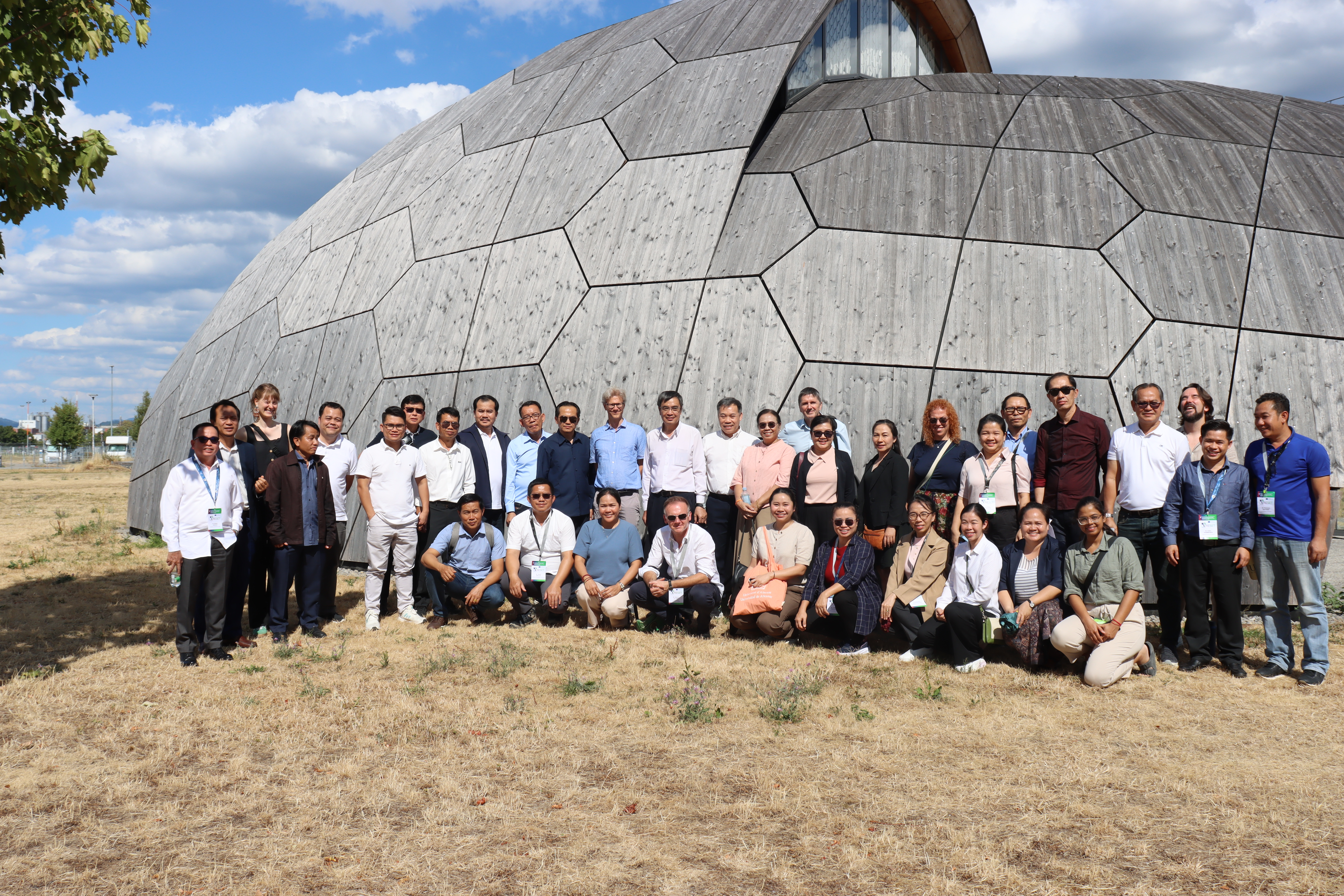
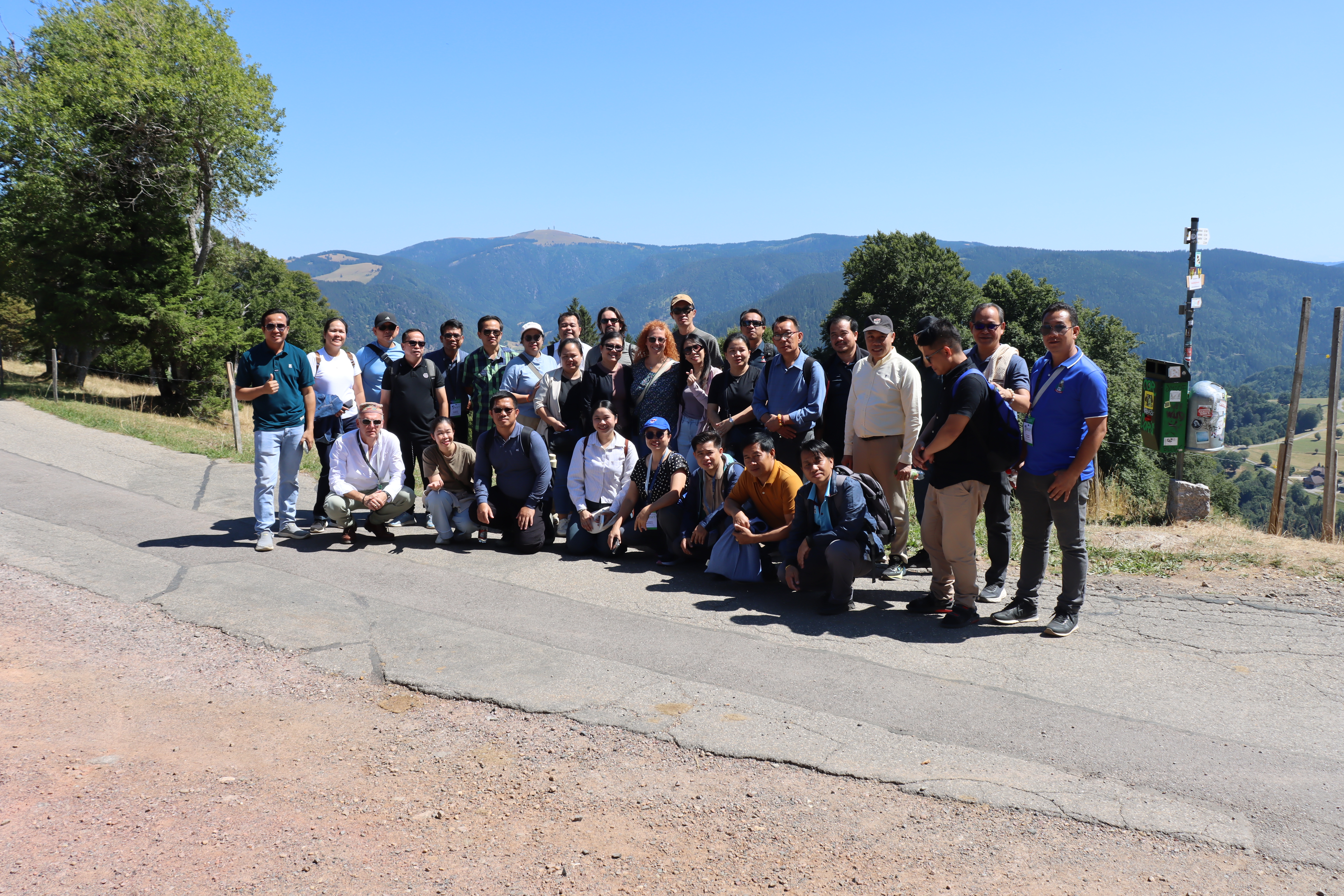
The second day focused on the interface between science and society, as well as a field visit to the Black Forest. A key presentation by the Innovation Campus Sustainability (Innovations campus Nachhaltigkeit) highlighted the societal integration of science across AI, future mobility, health and life science alliances, and transdisciplinary research projects. Additionally, the excursion to the Black Forest provided a practical example of a thriving forest ecosystem integrated with sustainable ecotourism and local agricultural systems.
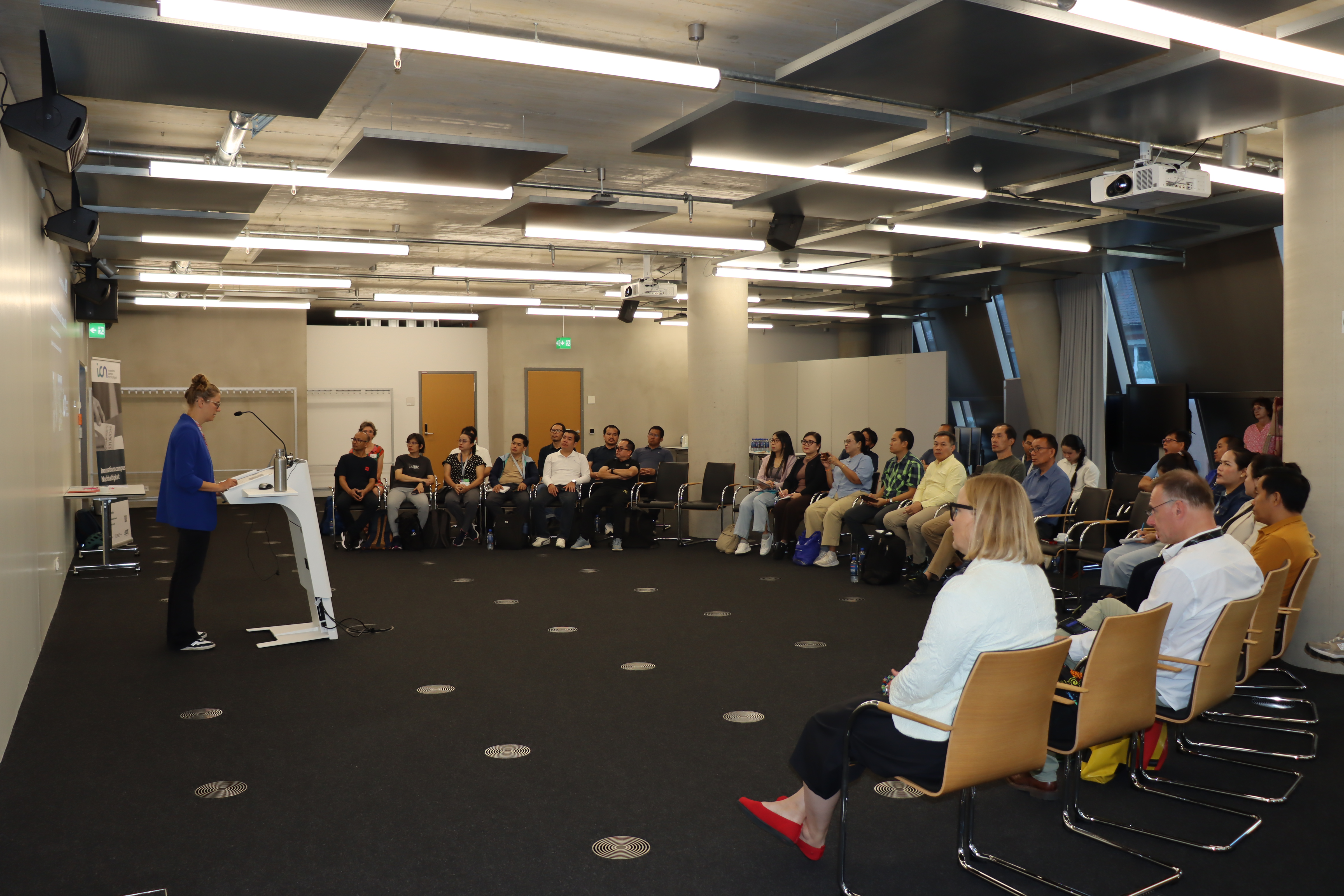
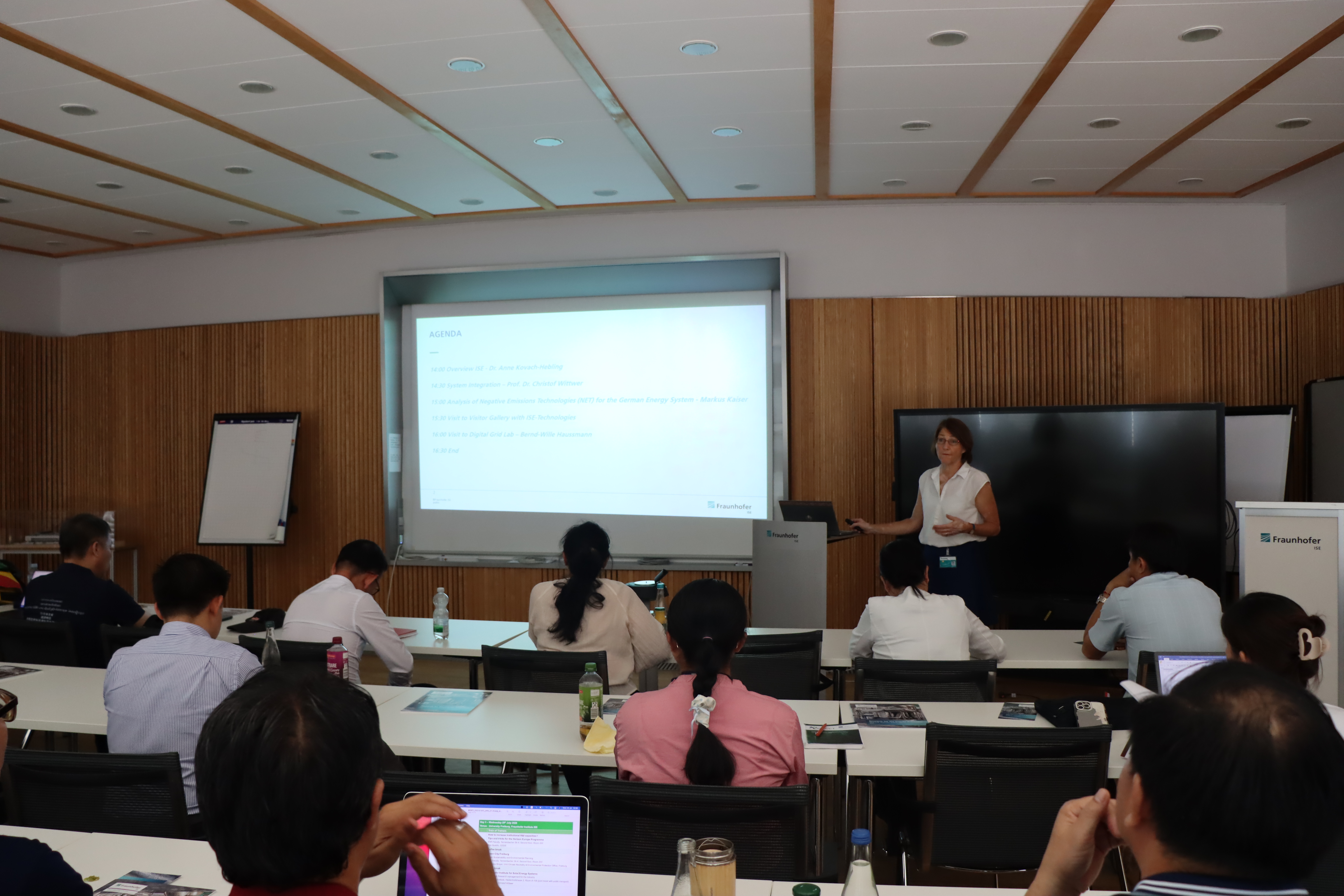
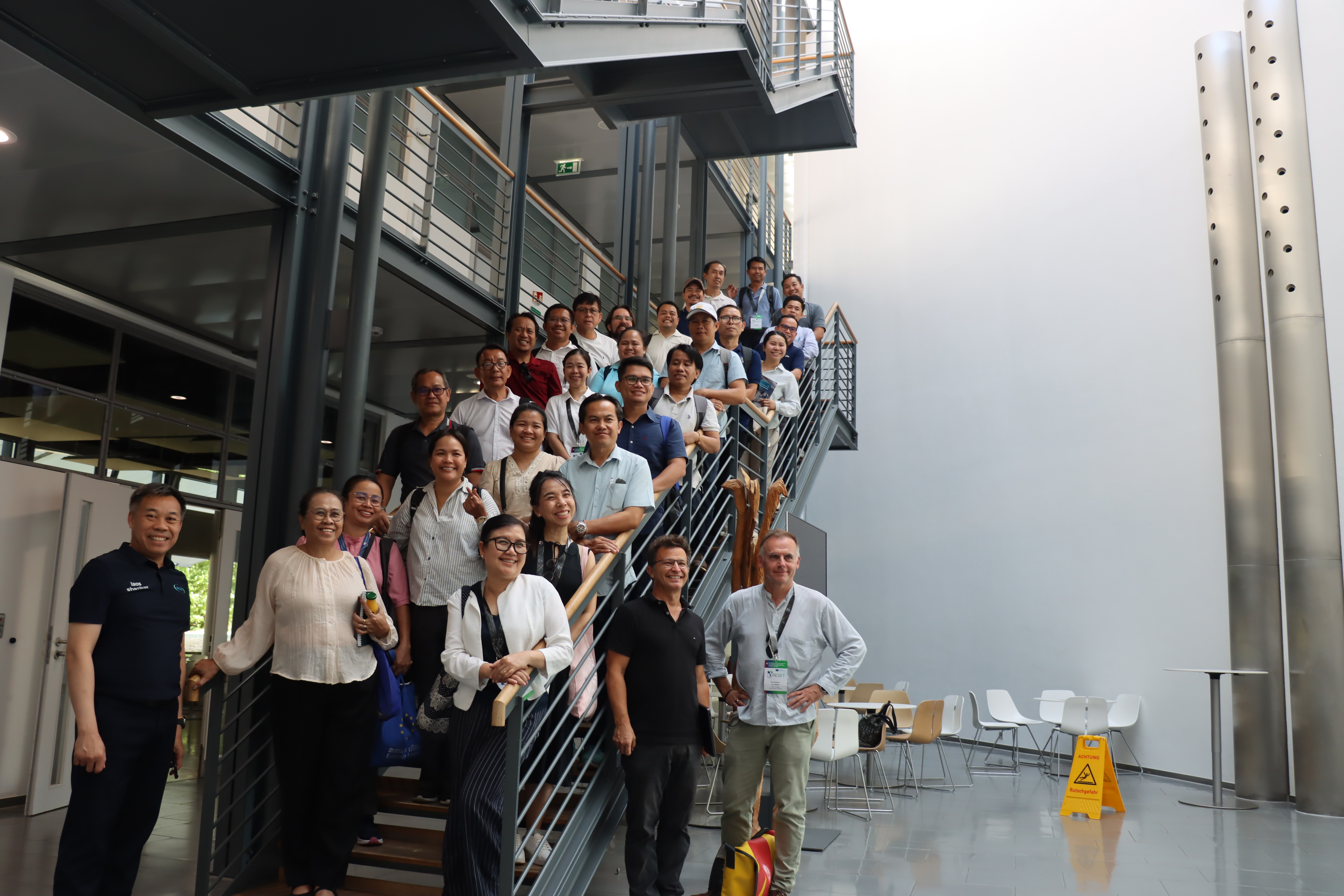
The third day continued the discussion on boosting institutional research and innovation capacity, focusing on navigating EU fund proposals and submission processes under Horizon Europe. The afternoon shifted to urban sustainability and environmental planning with a presentation on "Green City Freiburg" by the Climate Neutrality & Environmental Protection Office, followed by a session on "Research & Research Management for Industry" at the Fraunhofer Institute for Solar Energy Systems (ISE). Together, these sessions underscored the integration of institutional research, renewable energy, and municipal green planning.
The fourth day centered on technology transfer, beginning with a session by the Technology Transfer Office of the University of Freiburg on "Interdisciplinary Research Transfer: Connecting Life Sciences, Research Management, and Policy." This included lectures and case studies on technology transfer at CIBSS (Centre for Integrative Biological Signalling Studies), alongside lessons learned from comparative visits to the University of Alicante and the University of Freiburg. A practical group exercise helped synthesize key insights for research and innovation management applicable to Lao PDR. Subsequent sessions addressed startup creation and the transition from laboratory research to commercial spinoffs, followed by an afternoon presentation on "Policy-Oriented Research for Environmental and Societal Transformation" by the Institute for Applied Ecology, which highlighted multidisciplinary approaches to policy impact.
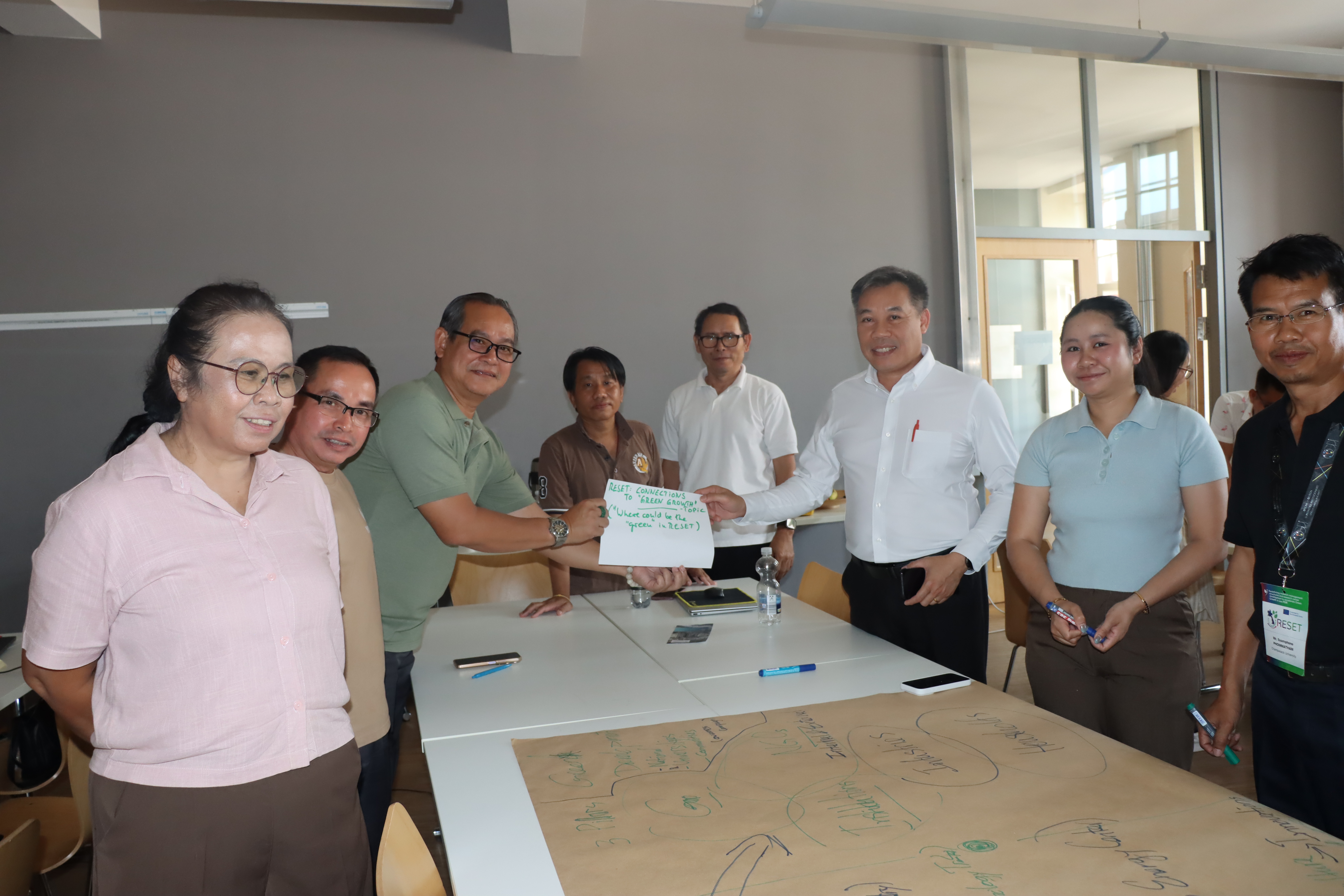
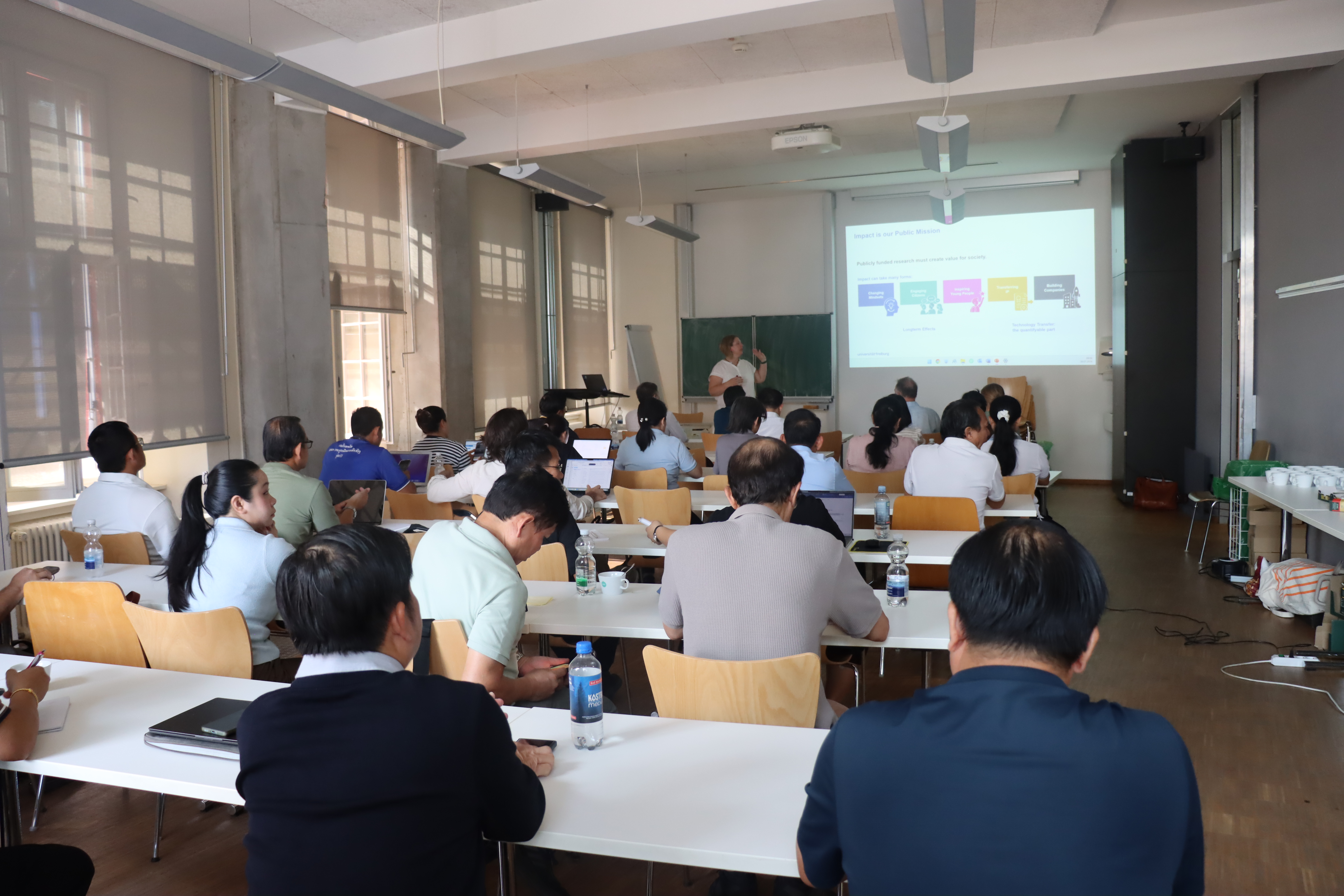
The final day examined the transferability of key findings to the Lao context in developing the Lao Research Network for Green Growth hub. Activities concluded with a synthesis of lessons learned, a reflection session, and formal closing remarks.
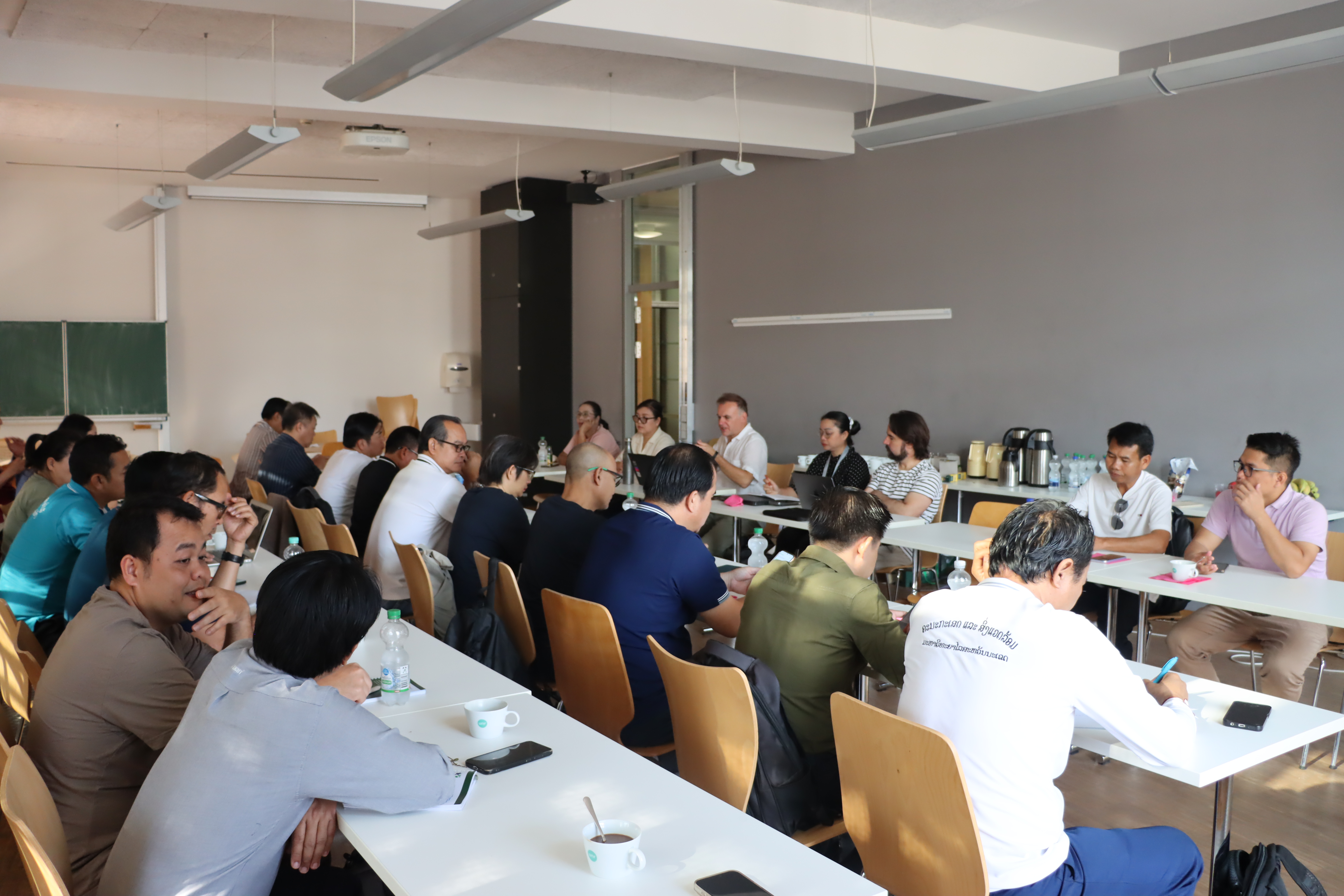
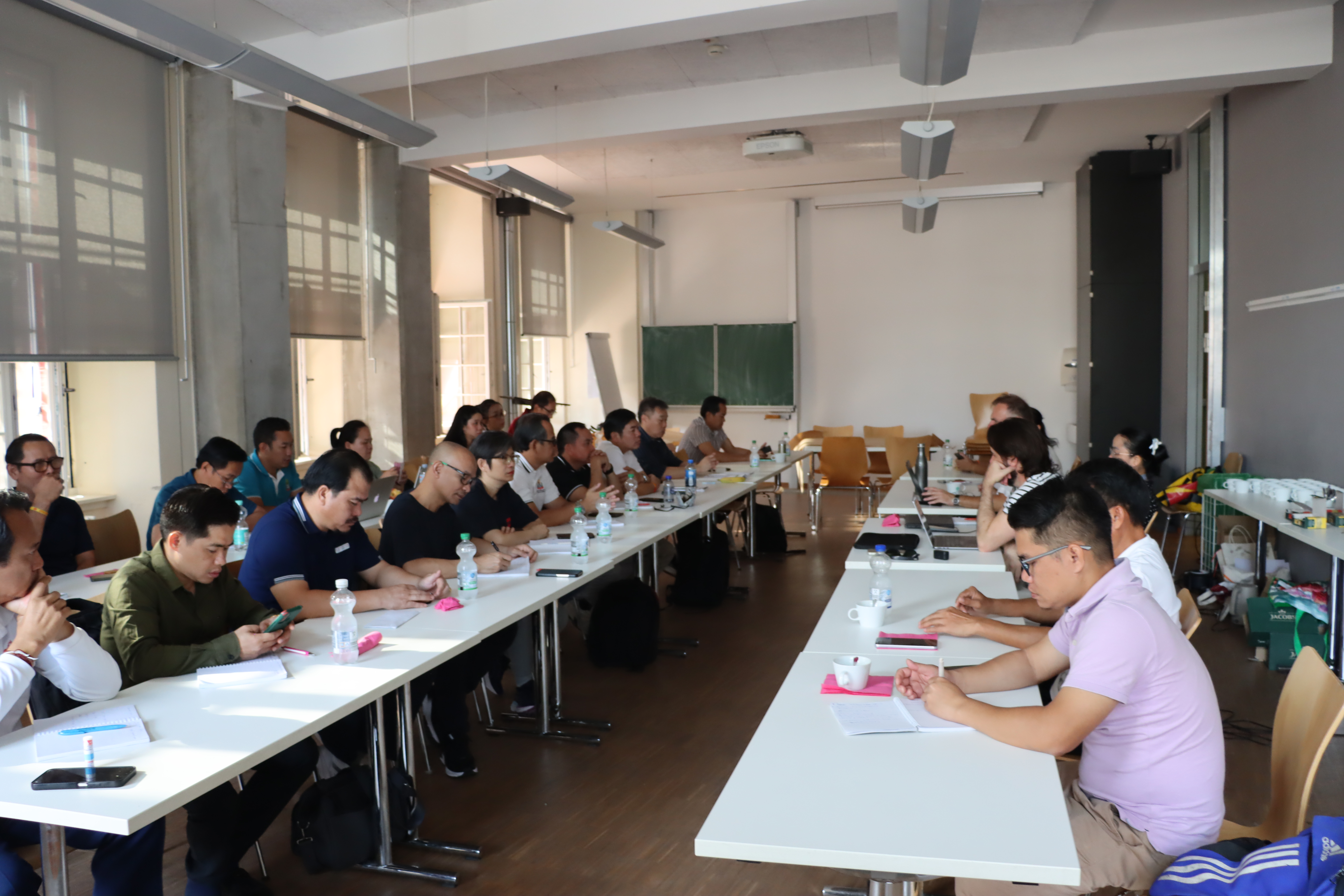
Beyond the technical sessions, the programme fostered institutional dialogue and networking, including an official meeting with leadership from partner institutions and social activities that deepened collaboration among consortium members. The successful completion of this study visit marks a significant milestone toward achieving RESET’s objectives. By combining European expertise with the priorities of Lao higher education institutions, the consortium continues to build a shared vision for modern, efficient, and sustainable research management systems in Lao PDR.
For more information about RESET, visit https://www.resetlaopdr.eu and follow the project on its social media channels Instagram, Facebook, LinkedIn, and YouTube to stay updated on the latest news, activities, and achievements.
Follow RESET on